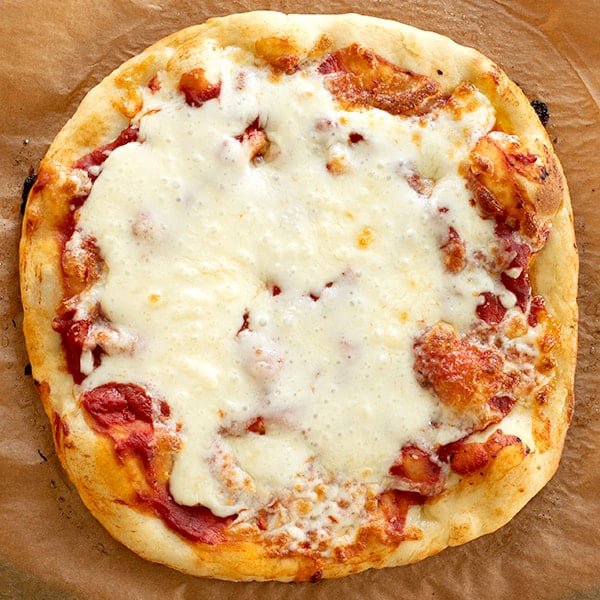
Stretchy Gluten Free Pizza Crust Recipe for Perfect Homemade Pizza
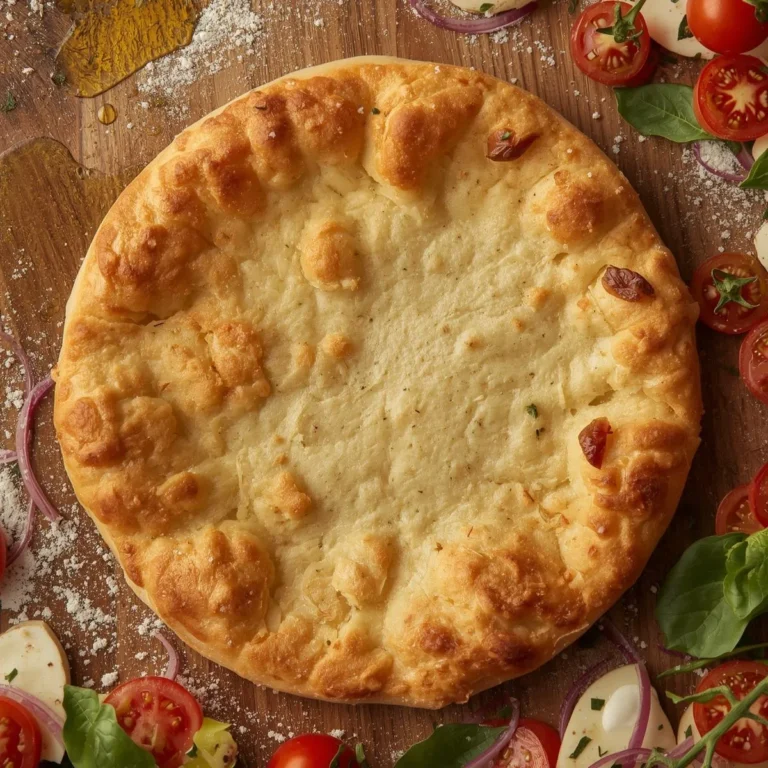
Making a stretchy gluten-free pizza crust at home can feel impossible. Many gluten-free doughs crack, crumble, or bake up dry and stiff. But with the right ingredients, techniques, and a little patience, you can create a soft, flexible, and chewy gluten-free pizza crust that feels just like classic pizza dough — without gluten.
This recipe is designed for home kitchens, using easy-to-find ingredients and simple steps. Whether you’re gluten-free by necessity or choice, this crust will become your go-to base for perfect homemade pizza.
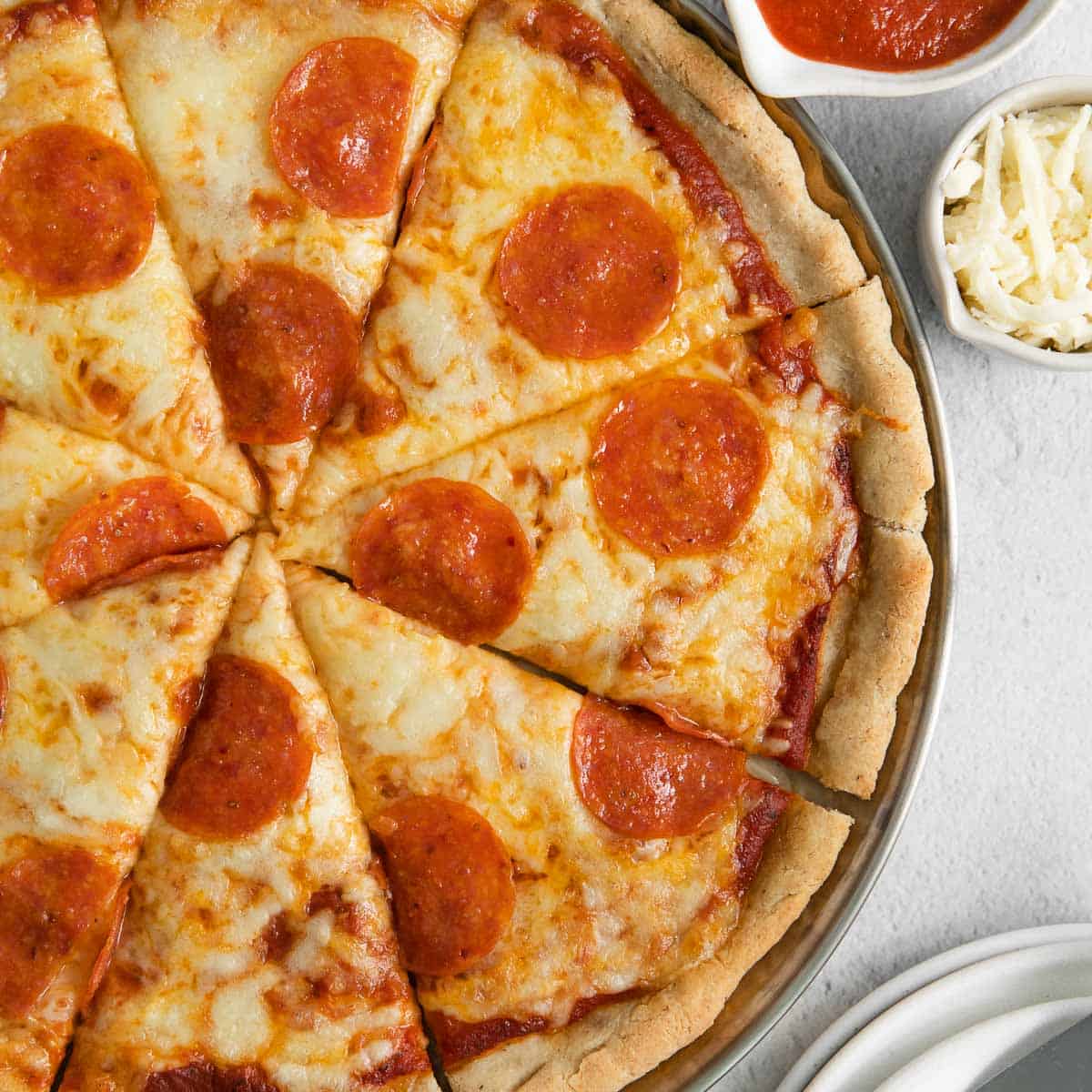
Table of Contents
What Makes a Gluten-Free Pizza Crust Stretchy?

Gluten normally provides elasticity and structure in pizza dough. Without it, gluten-free recipes must rely on hydration, binding agents, and resting time to mimic that same effect.
This recipe works because it:
- Uses a balanced gluten-free flour blend
- Includes xanthan gum for flexibility
- Maintains high hydration for softness
- Allows proper resting time for elasticity
Skipping any of these steps often leads to stiff or crumbly crusts. When followed correctly, this dough becomes surprisingly easy to stretch and shape.
Ingredients for Stretchy Gluten-Free Pizza Crust
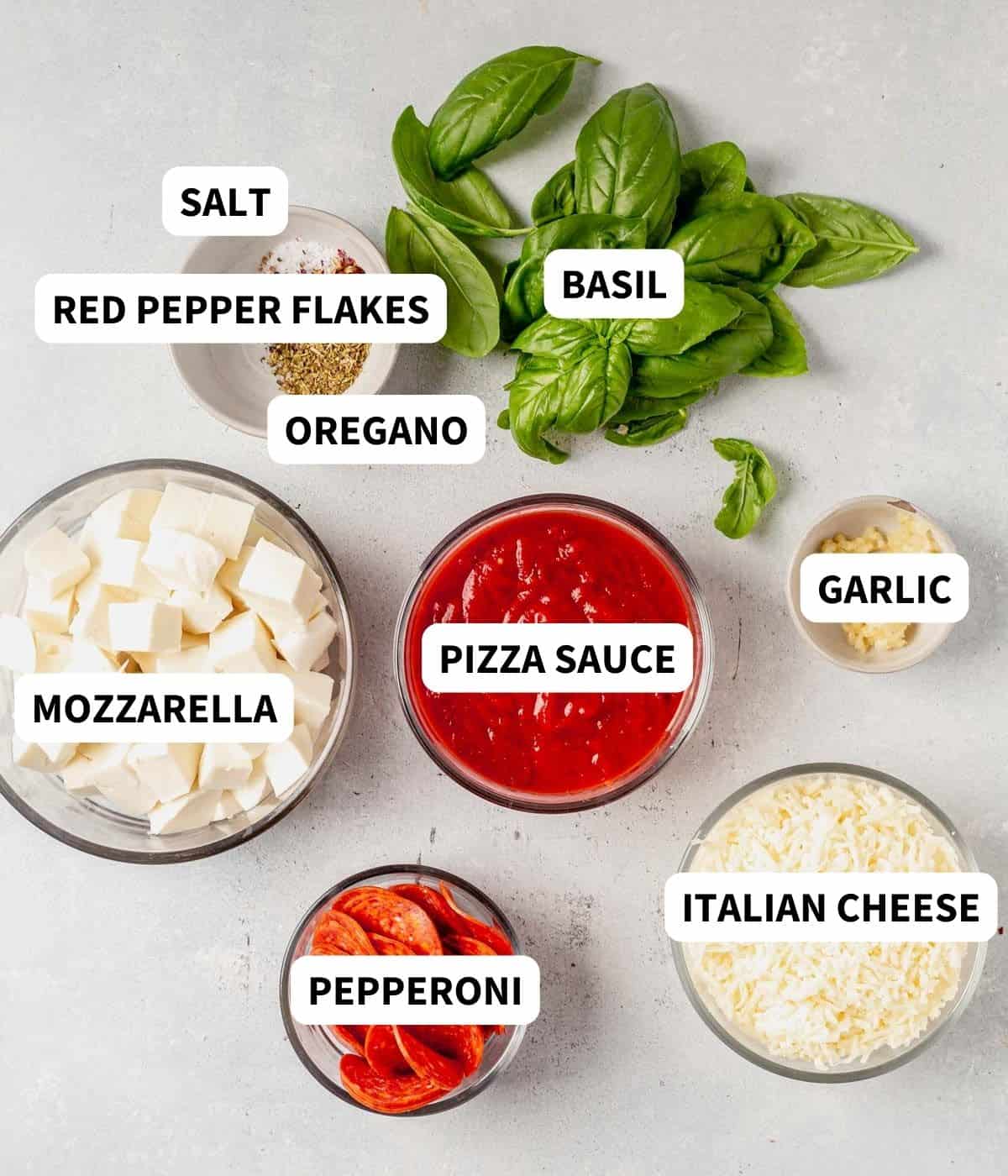
Dry Ingredients
- 2½ cups gluten-free all-purpose flour (with xanthan gum)
- 1 tablespoon instant yeast
- 1 teaspoon salt
- 1 teaspoon sugar
Wet Ingredients
- 1 cup warm water (about 110°F / 43°C)
- 2 tablespoons olive oil
- 1 teaspoon apple cider vinegar
Why these ingredients matter:
The vinegar improves dough structure, olive oil adds flexibility, and warm water activates the yeast to create a light, airy texture.
Step-by-Step Instructions
Step 1: Activate the Yeast
In a small bowl, mix warm water and sugar. Sprinkle yeast over the top and let it sit for 5–7 minutes until foamy. This ensures proper rise and softness.
Step 2: Combine Ingredients
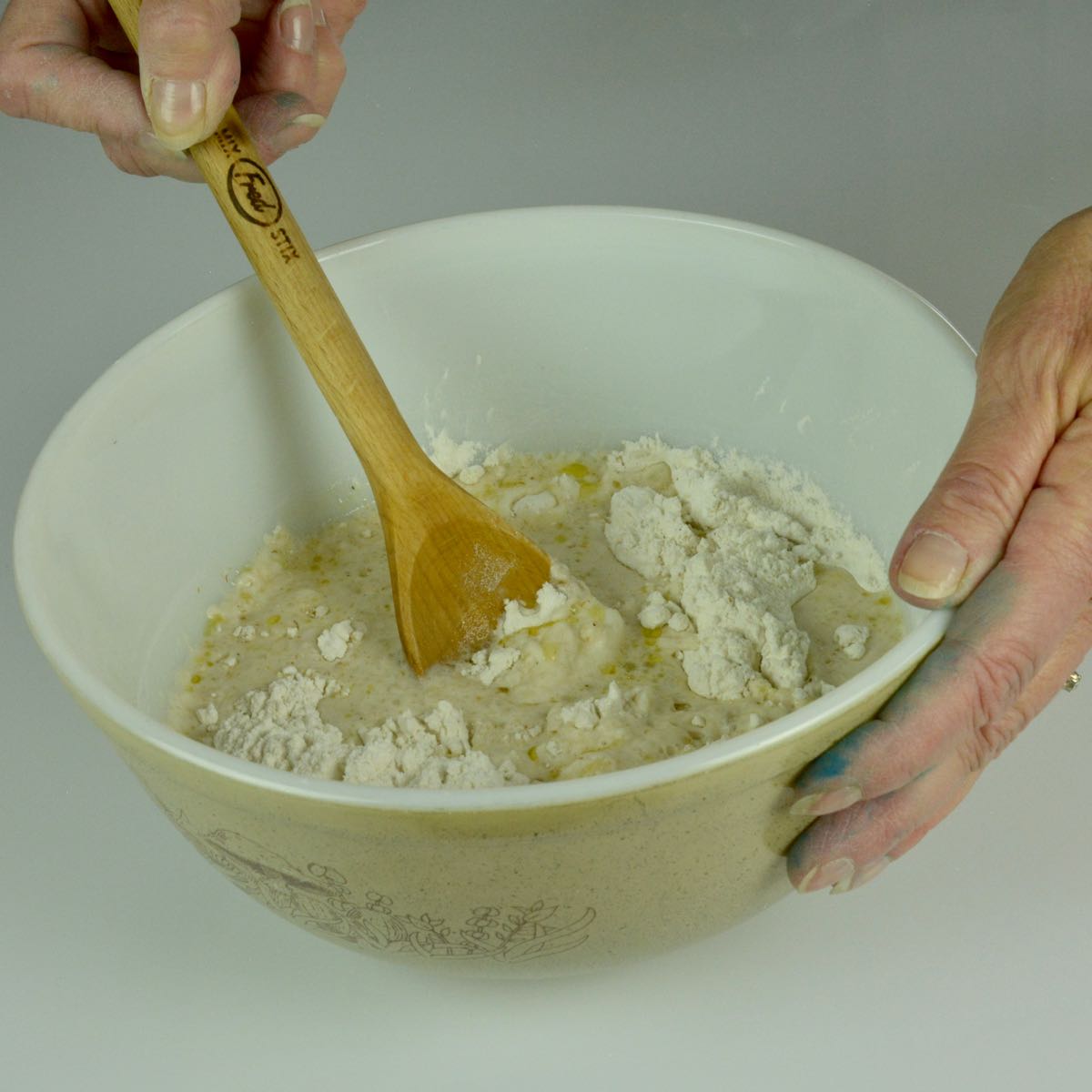
In a large mixing bowl, whisk together the gluten-free flour and salt. Add the yeast mixture, olive oil, and vinegar. Mix until a sticky, thick dough forms.
Step 3: Rest the Dough
Cover the bowl and let the dough rest for 30 minutes. This resting period allows the flour to fully absorb moisture, which is essential for stretch.
Shaping the Dough Without Cracking
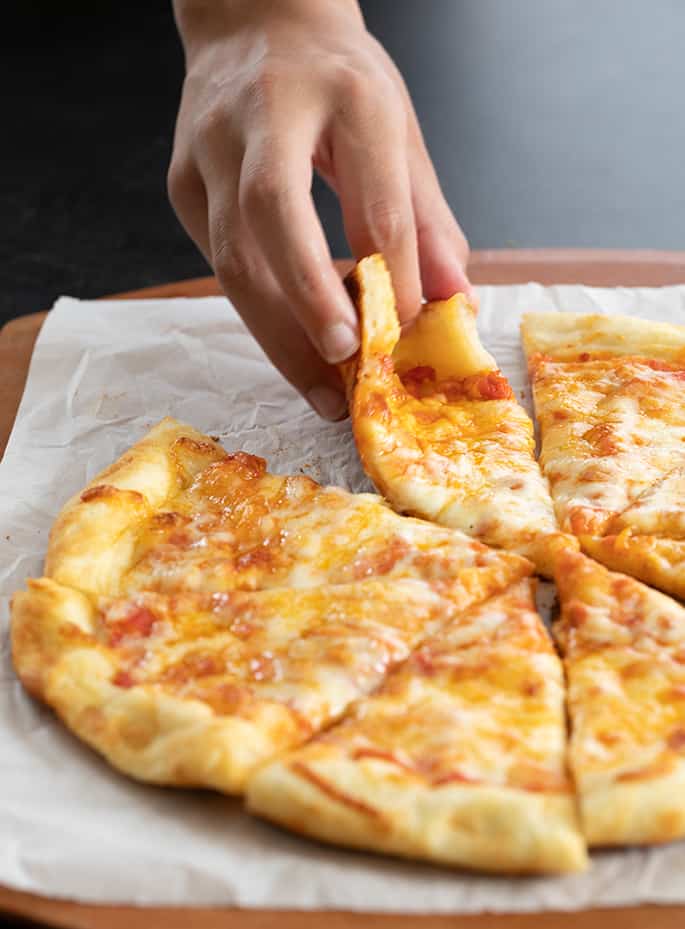
Unlike traditional dough, gluten-free dough should not be kneaded aggressively. Instead:
- Lightly oil your hands
- Press the dough gently from the center outward
- Use parchment paper to prevent sticking
If cracks appear, simply pinch the dough back together — this dough is forgiving when properly hydrated.
Baking for the Best Texture
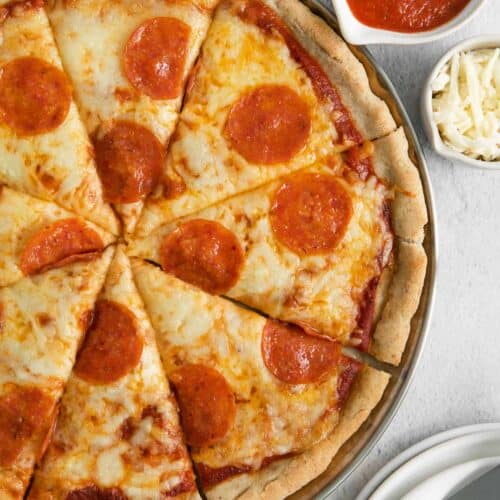
- Preheat oven to 425°F (220°C)
- Pre-bake crust for 8–10 minutes
- Remove, add toppings
- Bake again for 10–12 minutes
This two-stage bake ensures:
- No soggy center
- Crisp edges
- Soft, chewy interior
Best Toppings for Gluten-Free Pizza

Best Toppings for a Stretchy Gluten-Free Pizza Crust
Gluten-free pizza crusts perform best when toppings are carefully balanced. Unlike traditional wheat-based dough, gluten-free crusts are more sensitive to excess moisture and weight. Using the right combination of sauce, cheese, and toppings ensures the crust remains stretchy, firm, and fully baked, rather than soggy or fragile.
When building your pizza, think in layers and moderation. A thin, even spread of sauce and evenly distributed toppings will help the crust bake evenly and maintain its structure.
Recommended Toppings for Gluten-Free Pizza
- Light tomato sauce or pesto
Use a thin layer of sauce to avoid oversaturating the crust. Thick or overly wet sauces can prevent proper baking and cause softness in the center. - Fresh mozzarella or dairy-free cheese
Fresh mozzarella adds flavor and stretch, while dairy-free cheese options work well for lactose-free or vegan diets. Use cheese sparingly to avoid excess oil release. - Vegetables such as bell peppers, mushrooms, and olives
These toppings add flavor and texture without overwhelming the crust. Slice vegetables thinly for even cooking. - Grilled chicken or turkey pepperoni
Pre-cooked proteins are ideal for gluten-free pizza because they add substance without releasing moisture during baking.
Pro Tip for Better Texture
Always pre-cook watery vegetables such as mushrooms, zucchini, spinach, or onions before adding them to your pizza. This step removes excess moisture, helping protect the gluten-free crust’s texture and preventing sogginess.
Common Gluten-Free Pizza Mistakes to Avoid
Many gluten-free pizza failures come down to small but critical errors that affect dough elasticity, structure, and bake quality. Understanding these mistakes can dramatically improve your results.
Most Common Mistakes
❌ Adding too much flour while shaping
Gluten-free dough should remain slightly sticky. Adding excess flour dries out the dough and causes cracking.
❌ Skipping the resting period
Resting allows the flour to fully hydrate, which is essential for creating a flexible, stretchable crust.
❌ Baking at low temperatures
Gluten-free pizza requires high heat to set the structure quickly and prevent dryness or gumminess.
❌ Overloading toppings
Too many toppings add weight and moisture, making it difficult for the crust to bake evenly.
How to Get Better Results
Avoiding these mistakes helps ensure a crispy edge, soft interior, and stable base that holds toppings beautifully. With the right technique, gluten-free pizza can be just as satisfying as traditional pizza.
Storage, Freezing, and Make-Ahead Tips
This crust is ideal for meal prep:
- Refrigerate dough: Up to 24 hours
- Freeze pre-baked crust: Up to 2 months
- Bake from frozen: Add 3–5 extra minutes
Wrap crusts tightly to preserve moisture.
More Recipes You’ll Love
External Resources
Final Thoughts
This stretchy gluten-free pizza crust recipe proves that gluten-free pizza doesn’t have to be dry, brittle, or disappointing. With proper hydration, rest time, and baking technique, you can create pizza that looks, feels, and tastes like the real thing.
Once you master this recipe, homemade gluten-free pizza becomes easy, reliable, and incredibly satisfying — perfect for weeknight dinners or special occasions.